

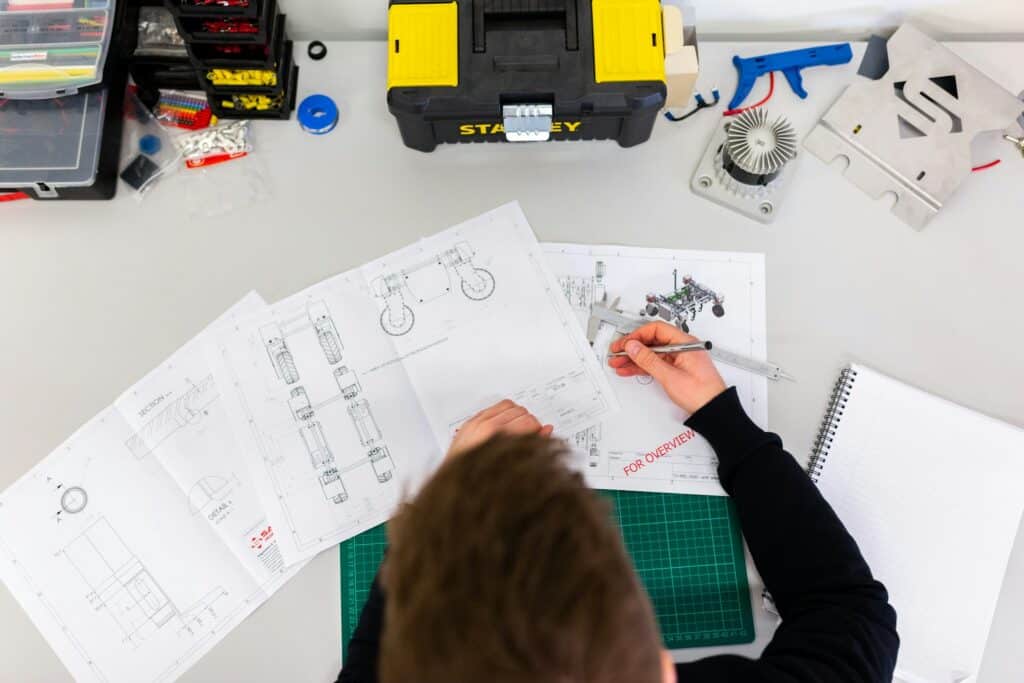
As technologies advance, could the single-skilled engineering professional become obsolete? Today’s engineers must be able to combine design, mechanical skills, coding, and knowledge of sensors and other complex electrical elements. This mechanical-electrical-software integration is known as hybrid engineering, and could become the norm across multiple verticals.
As organizations struggle to attract engineering specialists from a range of disciplines, switching that focus to multidisciplinary professionals could offer multiple benefits. Discover how engineering skill convergence can drive innovation and collaboration, and what the future holds for engineering talent acquisition.
Benefits of Cross-Disciplinary Engineering Skills
Many industries are shifting to multidisciplinary teams, taking advantage of professionals who have both technical and soft skills or who combine managerial experience with design know-how. It’s not just about saving money on hiring multiple individuals. It’s about investing in individuals who can bring growth to multiple areas of a business. Within the field of engineering, adopting this mindset has numerous benefits.
Organizations gain access to enhanced innovation via diverse expertise. An engineer with experience in solar panels, plus transport and infrastructure design, for example, is the ideal candidate for a business looking to expand into smart city construction. Someone who understands the intricacies of electrical engineering can quickly spot problems in major systems development and head them off before they stop projects in their tracks.
Similarly, engineers with a range of skills bring improved problem-solving capabilities and increased adaptability to technological advancements. Hiring engineers from diverse backgrounds intensifies those benefits by augmenting your teams with professionals with a wider range of experiences.
Challenges in Adopting Hybrid Engineering Roles
While it’s clear that interdisciplinary engineering could be a genuine driver of innovation, identifying and recruiting talent with multiple skills is rarely simple. Engineering workforce development remains a challenge for many organizations. In 2024, 65% of business leaders in manufacturing and adjacent industries cited difficulties attracting and retaining talent as a primary challenge.
Engineering education trends could be one reason for this. Fewer people are opting for engineering degree courses — yet another reason why cross-disciplinary engineering skills could become highly sought after.
Companies may also find it challenging to integrate multidisciplinary experts into existing teams of single-skilled professionals.
Strategies for Integrating Hybrid Engineers
So, how do organizations go about overcoming these challenges? Promoting the benefits of engineering innovation strategies and cross-functional engineering teams could alleviate concerns and help managers field objections. Another strategy is to develop effective, cross-functional teams that work across multiple areas of the business or utilize skills from various areas of engineering. Teams could combine design experts, electrical engineers, and mechanical professionals who share skills and knowledge to foster enhanced innovation.
There’s also the option to retrain and upskill existing professionals via effective work-based development programs. Providing personnel with access to learning can increase technological adaptability in engineering and improve the loyalty of the workforce as a whole.
Engineering talent trends show that there are huge gaps in the current US workforce, particularly for engineers with AI skills and knowledge of other emerging technologies. Fostering a culture of collaboration and innovation is essential to attract engineers who have access to plenty of employment opportunities.
Future Outlook and Trends
Without a sudden influx of students studying engineering, organizations must start to invest in hybrid engineering roles and engineering collaboration models that work to bring individuals with multiple skills together.
As the current engineering workforce ages and retires, younger engineers are needed to fill the gaps left behind. These professionals may have less experience, but if they’ve learned multiple engineering skills, from electrical engineering to systems design, they could be perfectly placed to address the major challenges of our time. Sustainability in water and power, smart city creation, and infrastructure for a growing population all require intense levels of innovation. The multidisciplined engineer is the professional best suited to these problems.
Organizations that invest in hybrid engineering specialists now could see their firm become more competitive and move ahead of other players within the same industry. Connect with MRINetwork to discuss adjusting your recruitment strategies to attract interdisciplinary engineering experts and future-proof your organization.
Connect with MRINetwork
To view and use this form, please accept Analytics and Customization Cookies.