

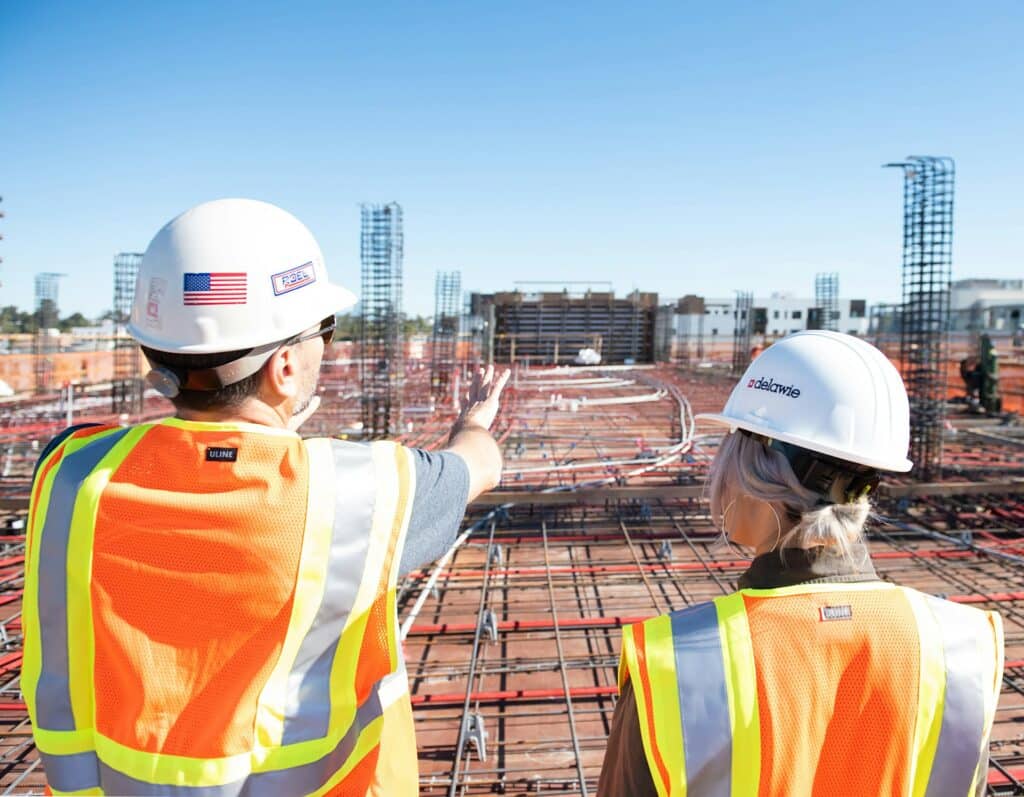
Every construction site runs on risk. The professionals trained to manage that risk are disappearing faster than the industry can replace them. An aging workforce, shrinking talent pipelines, and surging project volumes have created a safety leadership gap that most companies aren’t talking about publicly, even as incident rates tell a different story.
The shortage isn’t abstract. It shows up when a project scales faster than the safety team can, when a seasoned safety manager retires and there’s no one ready to step into the role, and when companies stretch one inspector across job sites that need two. The pressure gets absorbed quietly, until it doesn’t.
What makes this shortage particularly difficult to solve is that safety roles carry real credentialing requirements and hard-won site experience that can’t be fast-tracked. You can’t hire your way out of this gap with unqualified candidates and hope for the best. The organizations navigating it successfully are taking a longer view on how they build, develop, and retain safety talent before the vacancy becomes a crisis.
Impact on Workforce Risk and Project Safety
Unfortunately, the shortage of construction safety roles is leading to a rise in workplace accidents and injuries. As a result, companies are paying the financial and reputational costs. As construction demand increases, the shortage of safety personnel is leaving sites under-supervised.
Safety protocols are being bypassed to meet tight deadlines, resulting in a lack of proactive safety measures and increased risk. These increased risks contribute to the high number of accidents and fatalities, with rates in the construction industry being higher than in any other industry.
The Costs of This Talent Shortage
This hidden talent crisis in safety is being driven by:
- Declining applicants
- Rising demand
- Inexperience in key roles
For companies, these trends can be very costly. The shortage of safety professionals directly threatens a company’s bottom line. For example, an increase in safety risks and incidents leads to soaring insurance and legal costs, project shutdowns, higher turnover costs, and reduced profit margins.
Then there are the reputational costs. A poor safety reputation can lead to the loss of future work, erosion of trust, and decay of internal culture.
Contributing Factors to the Shortage
The shortage of qualified safety professionals is expected to outpace the broader skilled labor gap. While headlines focus on the decline in electricians and carpenters, few are discussing the critical demand for Health, Safety, and Environment (HSE) professionals. However, the effects of this shortage are severe, especially as fast-paced projects become more complex and high-risk.
Variables contributing to the current shortage include:
- Aging workforce and retirement rates: A large segment of safety professionals will leave the workforce in the coming years. As these experienced individuals retire, it will create a significant gap in safety knowledge and leadership.
- Lack of training and development programs: Since traditional educational paths do not often prepare individuals for construction safety, the industry is struggling to find “ready-made” candidates. There are also fewer young, skilled workers entering the field, reducing the potential inflow of safety-related roles.
- Perception of safety roles within the industry: Safety roles are often mistaken for rule-enforcers who complete extensive paperwork, rather than strategic partners in project success. There are also often misconceptions about this career’s long-term potential.
Strategies to Mitigate the Shortage in Construction Safety Roles
To mitigate the risks posed by the shortage of construction safety professionals, companies must take a multifaceted approach. Here are some suggestions to help you navigate this process.
Leverage Technology and Automation
To help bridge the gap, lean on technology to enhance safety whenever possible. For example, construction teams are leveraging AI-powered safety monitoring devices, such as drones and cameras, to reduce manual workload. Some are investing in wearable technology, and others are finding success in safety management software.
Learn more: The Impact of Technology on Construction Management
Investment in Education and Certification Programs
For staff who are interested, offer internal upskilling and apprenticeship programs. These programs can help train existing staff to fill necessary safety roles. You can also invest in specialized training, such as OSHA certification, to prepare workers for safety management roles. Once you introduce safety programs, implement daily safety briefings.
Improve Recruitment and Retention Strategies
There are many ways to attract and retain more qualified candidates, starting with diversifying your talent pool. Focus on underrepresented groups in the industry. To do so, showcase career paths and incentivize top performers. To access ongoing talent, partner with a professional recruitment agency, as they have access to the network you need to fill niche roles.
Next Steps
Need help filling specialized construction safety roles? Trying to overcome the general talent shortage in the construction industry? MRINetwork can help. Whether you specialize in residential building construction, focus on civil engineering projects, or utility system construction, our industry experts and talent advisors take a smarter approach to hiring. Contact us to discuss your needs!
Connect with MRINetwork
To view and use this form, please accept Analytics and Customization Cookies.